.svg)
At Gradwell Habitat Management, we provide professional otter fencing installation to help developers and land managers protect both their projects and this protected species. Otters are safeguarded under the Wildlife and Countryside Act 1981 and the Conservation of Habitats and Species Regulations 2017, which makes it an offence to harm, disturb, or obstruct them.
Our fencing solutions are designed to guide otters safely away from hazardous areas, such as construction sites or busy roads, ensuring full legal compliance while supporting long-term conservation.
.svg)
Contact Gradwell Habitat Management today for expert advice and a competitive quote on water otter fencing installation. Our team will guide you through every stage, ensuring your development is protected, compliant, and environmentally responsible.
Otters often travel considerable distances along river corridors and wetland systems in search of food and breeding sites. Without appropriate mitigation, construction or infrastructure projects can put them at serious risk of disturbance or injury.
Otter fencing helps prevent these risks by safely directing animals around active works or high-risk areas, reducing ecological impact and legal exposure.
For developers, this means smoother project delivery, fewer delays, and full compliance with Natural England licensing requirements.

%20(1).png)
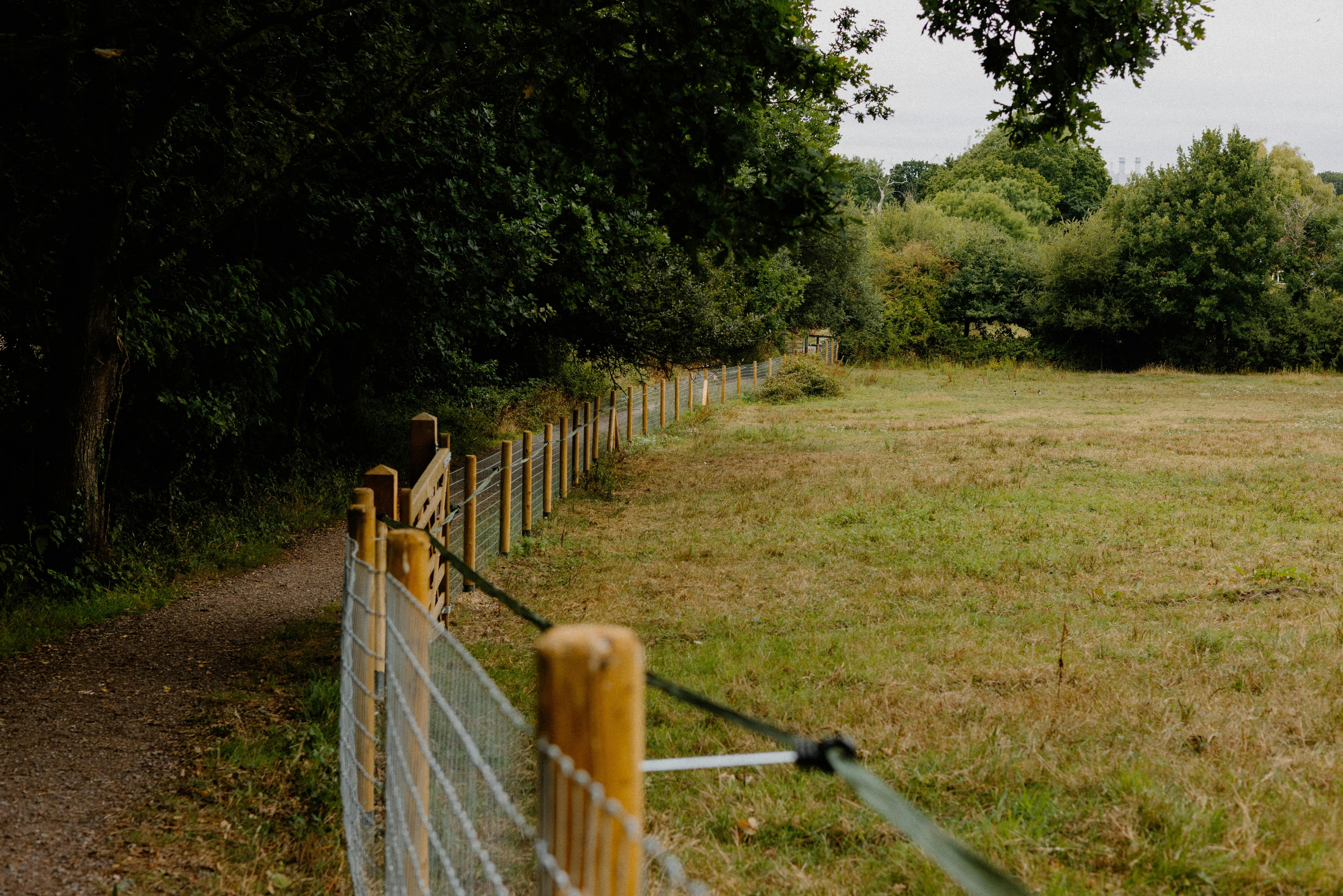
Otter fencing is constructed from strong, high-tensile mesh that is securely dug into the ground to prevent animals from burrowing underneath. The height and design of the fencing create an effective barrier while still blending sympathetically with the surrounding landscape.
In certain cases, otter fencing may also be combined with other mitigation measures, such as underpasses or crossing points, to maintain safe wildlife corridors while keeping development areas secure.
Typically installed along waterways, ditches, and wetland habitats, this fencing prevents water voles from entering high-risk areas where their safety or habitats could be compromised.
.svg)
With extensive experience in ecological contracting, Gradwell Habitat Management delivers high-quality otter fencing installations that are durable, effective, and fully compliant with UK legislation.
From initial site surveys and ecological assessments to the supply and installation of fencing, we provide a complete service tailored to the needs of your project. Our aim is to keep your development on track while ensuring the highest standards of wildlife protection.
.svg)
.webp)
At Gradwell Habitat Management, we provide specialist habitat fencing solutions across the UK, helping developers, builders, and landowners stay compliant with wildlife legislation.
From large-scale conservation sites to private estates and farmland



